Learn how The Freedom Hub addresses modern slavery risk through ethical procurement, supplier due diligence, and responsible business practices to build a more ethical and transparent supply chain. – Author: Sally Irwin OAM – Founder, The Freedom Hub
Practising What We Teach: Embedding Anti-Slavery Values in Our Own Business Operations
The Freedom Hub exists to end modern slavery in Australia, support survivors to rebuild their lives, and partner in the global fight to end slavery. That purpose shapes not only the work we do with survivors and businesses, but also the way we run our own organisation.
As a charity funded in part through social enterprise, The Freedom Hub operates across café, events, catering, retail, wholesale and ethical business advisory services. These activities give people a practical way to support the anti-slavery movement through responsible purchasing, but they also mean we have our own supply chain to manage with care.
Our commitment is simple: we cannot ask other businesses to examine their supply chains if we are not willing to do the same ourselves.
The Challenge
Modern slavery can sit hidden in everyday products and services. For a café, event venue and retail social enterprise, this matters deeply. Coffee, tea, chocolate, fresh produce, meat, cleaning services, food products and IT equipment are all areas where modern slavery risk can be present, either in Australia or overseas. The Freedom Hub’s draft Modern Slavery Statement identifies these as higher-risk procurement areas because they may be linked to forced labour, child labour, debt bondage, exploitation of migrant workers, unsafe working conditions or high-risk global manufacturing.
Our challenge is the same one many small organisations face: we do not have the purchasing power of a large corporation, and we cannot personally audit every tier of every global supply chain. But we can take responsibility for the decisions within our control. We can ask better questions and choose suppliers more carefully. We can train, screen, review and improve, and we can use our influence to help suppliers understand why modern slavery due diligence matters.
Our Supply Chain
During the reporting period covered in our draft Modern Slavery Statement, The Freedom Hub had 24 first-tier goods suppliers supporting our café, events, catering, wholesale and retail social enterprises. All first-tier suppliers were based in Australia, and we prioritised local businesses, long-term relationships and partnerships with other social enterprises wherever possible.
Our social enterprise supply chain covers:
- Café food and beverages
- Events and catering suppliers
- Retail and wholesale products
- Hospitality supplies
- Cleaning and operational services
- Technology and business support services
Every purchase is an opportunity to either ignore risk or reduce it. At The Freedom Hub, we choose to use procurement as part of our mission.
Our Due Diligence Approach
We built our due diligence process around screening, supplier engagement, training, governance and continual improvement.
We require all suppliers to sign our Supplier Code of Conduct for an Ethical Business, which outlines our expectations across labour and human rights, environmental responsibility, health and safety, corporate governance and business ethics. The Code places particular emphasis on forced labour, child labour, recruitment fees, fair wages, humane treatment, freedom of association, discrimination, harassment and whistleblower protections.
Suppliers are also asked to sign our Supply Chain Transparency Agreement. This agreement asks suppliers to assess modern slavery risk in their operations and supply chains using product, country and industry data, identify labour and human rights risks, train managers and workers on ethical procurement, put whistleblowing systems in place, audit higher-risk suppliers where needed, and commit to continual improvement.
Before onboarding, suppliers are screened based on their inherent modern slavery risk. The screening considers governance, procedures, sustainability and monitoring. Where suppliers are higher risk, we seek more information, provide training and work with them to improve transparency.
We also review our suppliers annually. This helps us check whether supplier relationships still align with our values and whether further action is needed.
Training and Engagement
We believe education is one of the most practical tools for preventing harm. All employees, interns and volunteers are required to complete modern slavery training as part of onboarding. Supplier training is also part of our supplier onboarding process. This includes discussion about what modern slavery is, which risks may be most relevant to the supplier’s organisation, and how to prepare or contribute to modern slavery risk assessment and reporting.
This is important because many suppliers, especially smaller businesses, want to do the right thing but may not know where to begin. We see supplier engagement as part of our wider mission: not shaming businesses for what they do not yet know, but helping them understand the risks and take practical steps toward change.
Governance and Accountability
Modern slavery risk is not treated as a side issue with us. It is part of our governance. The Freedom Hub has a risk committee overseen by the Board, which regularly reviews and approves policies. Our Managing Director reports to a volunteer Board of Directors, and our social enterprise and charity operations sit under shared leadership through the Managing Director and Chief Operating Officer.
We also maintain a Whistleblower Policy that applies to employees, volunteers, contractors, suppliers and stakeholders. People can report through Whispli, a secure and anonymous platform.
This governance layer matters because due diligence is not just about supplier paperwork. It is about creating systems where concerns can be raised, risks can be reviewed and decisions can be made transparently.
A Practical Example: Our Coffee Supply
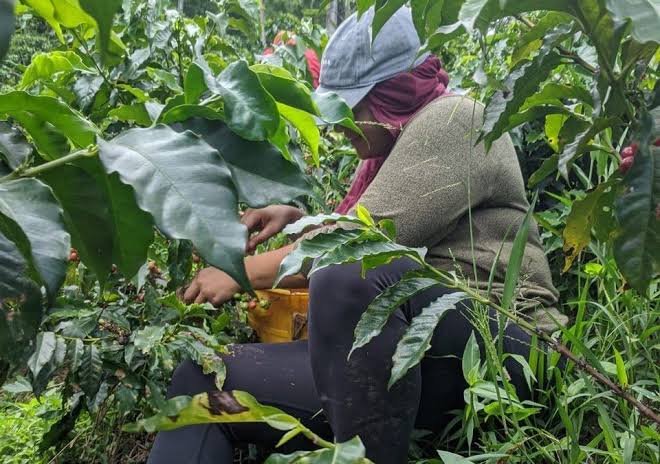
Coffee is one of the clearest examples of how we apply our values to procurement. Coffee beans are an everyday product, yet they often involve forced labour, child labour and debt bondage worldwide. The Freedom Hub’s own Modern Slavery Statement identifies coffee as a higher-risk product area.
Rather than avoiding the issue, we made coffee a place where our purchasing could create positive impact. Our Freedom Fighter blend uses beans sourced through a supply chain designed to support children rescued from slavery. The coffee is picked and processed under best-practice controls to ensure it is slavery free. Purchases help support local communities and workers through clean water and sanitation programs, health clinics, and the rescue and rehabilitation of child soldiers.
The beans are then roasted in Australia by a B Corp roaster. This gives us another layer of confidence that the values behind the product are carried through into the Australian part of the supply chain.
For us, this is what ethical procurement looks like in practice. It is not only about avoiding harm. It is about using purchasing power, however small, to support dignity, recovery and freedom.
Working With Other Social Enterprises
Wherever possible, The Freedom Hub chooses to work with other social enterprises and values-aligned businesses. This is one of the reasons our relationship with Social Traders is so important.
As a Social Traders certified social enterprise, The Freedom Hub is recognised as an organisation where a substantive portion of profits from trade is invested into our charitable purpose.
This model allows procurement to do more than meet an operational need. It turns everyday business spending into a force for social change. When customers buy from our café, book our event venue, order catering, purchase retail products or engage our Ethical Business Services, they are helping fund survivor support while also participating in a more ethical way of doing business.
What We Have Learned
We have learned that ethical supply chain due diligence is not a one-off compliance activity. It is an ongoing discipline that requires humility, because no organisation can claim perfection, and courage, because asking deeper questions can uncover uncomfortable risks.
Consistency matters, because policies only count when people use them. Relationships matter too, because suppliers are more likely to improve when we engage them, support them and hold them accountable.
As a small charity and social enterprise, we cannot guarantee every hidden layer of every global supply chain. But we can keep building better systems. We can screen suppliers, train them, review them, prefer ethical and local suppliers, choose other social enterprises where possible, avoid high-risk products when we can, and escalate concerns when suppliers do not engage.
Most importantly, we can keep practising what we teach.
The Impact
The Freedom Hub’s approach to due diligence helps us:
- reduce modern slavery risk in our own operations and supply chain
- educate suppliers about ethical procurement and modern slavery risk
- support other social enterprises and values-aligned businesses
- give customers and corporate partners confidence in responsible purchasing
- use trade income to fund survivor support and recovery
- model practical human rights due diligence for other Australian businesses
Our work is grounded in a belief that business can be part of the solution. Procurement decisions may seem small, but collectively they shape the kind of economy we are building.
At The Freedom Hub, every coffee poured, every event hosted, every catered meal delivered and every ethical product sold is connected to a bigger purpose: freedom, dignity and the end of modern slavery.
Looking Ahead
We will continue to strengthen our supplier review process, train new and existing suppliers, review policies through our governance structures and improve how we assess risk across our café, retail, events and supplier relationships.
Our commitment is not to be perfect. Our commitment is to be responsible, transparent and always improving. Because ending modern slavery is not only something we speak about. It is something we must build into the way we work.
__________________________________________________________________________________________________________________________________________________________
FAQs
1. How can businesses reduce modern slavery risk in their supply chains?
Businesses can reduce modern slavery risk by screening suppliers, assessing high-risk products and industries, requiring suppliers to follow a code of conduct, and conducting regular reviews. Training employees and suppliers, establishing safe reporting channels and addressing identified risks can also strengthen ethical procurement and protect workers’ rights.
2. What is ethical procurement, and why is it important?
Ethical procurement involves purchasing goods and services from suppliers that respect human rights, labour standards, environmental responsibility and business ethics. It helps organisations identify and reduce modern slavery risks, improve supply chain transparency and ensure purchasing decisions align with their values.
3. What is modern slavery due diligence in a supply chain?
Modern slavery due diligence is the ongoing process of identifying, assessing and addressing the risk of exploitation within an organisation’s operations and supply chains. It can include supplier screening, risk assessments, worker training, supplier engagement, audits where needed and regular reviews to support continuous improvement.
4. How does The Freedom Hub address modern slavery risk in its own supply chain?
The Freedom Hub addresses modern slavery risk through supplier screening, a Supplier Code of Conduct, supply chain transparency agreements, training and annual supplier reviews. It also incorporates modern slavery risk into its governance processes, maintains a secure whistleblowing channel and prioritises ethical suppliers and social enterprises wherever possible.
5. How can small businesses implement ethical supply chain practices?
Small businesses can begin by identifying higher-risk products and services, asking suppliers about their labour practices, setting clear ethical purchasing expectations and providing modern slavery training for staff. Regularly reviewing suppliers, encouraging transparency and working collaboratively to address risks can help businesses strengthen due diligence, even with limited resources.
__________________________________________________________________________________________________________________________________________________________